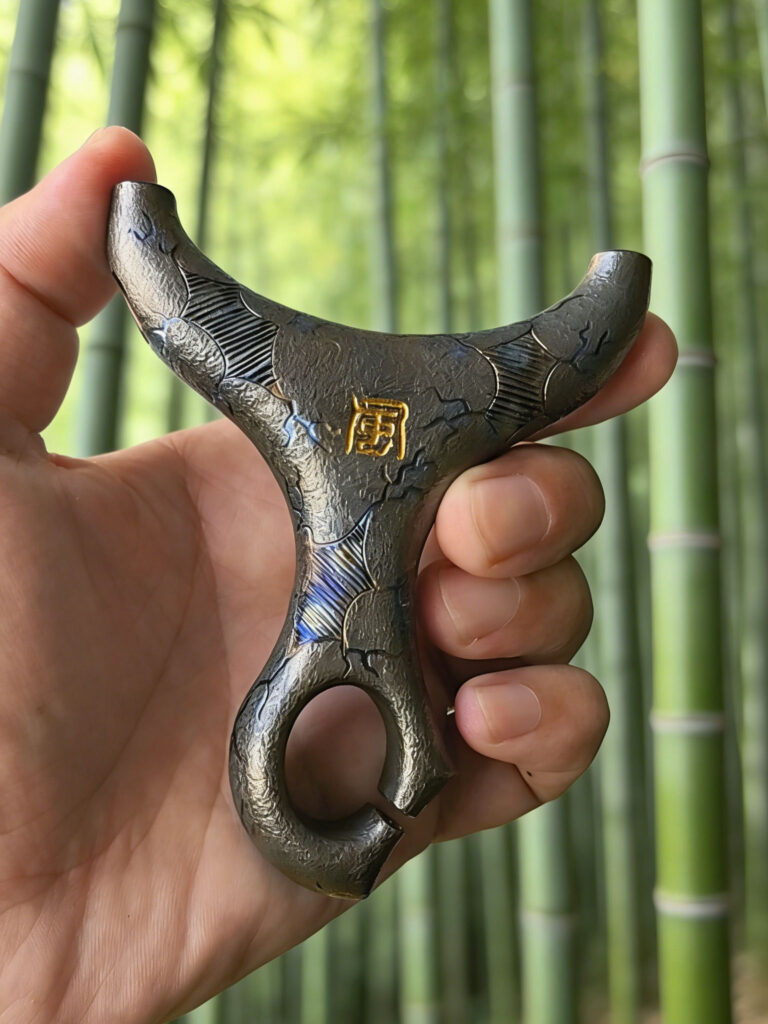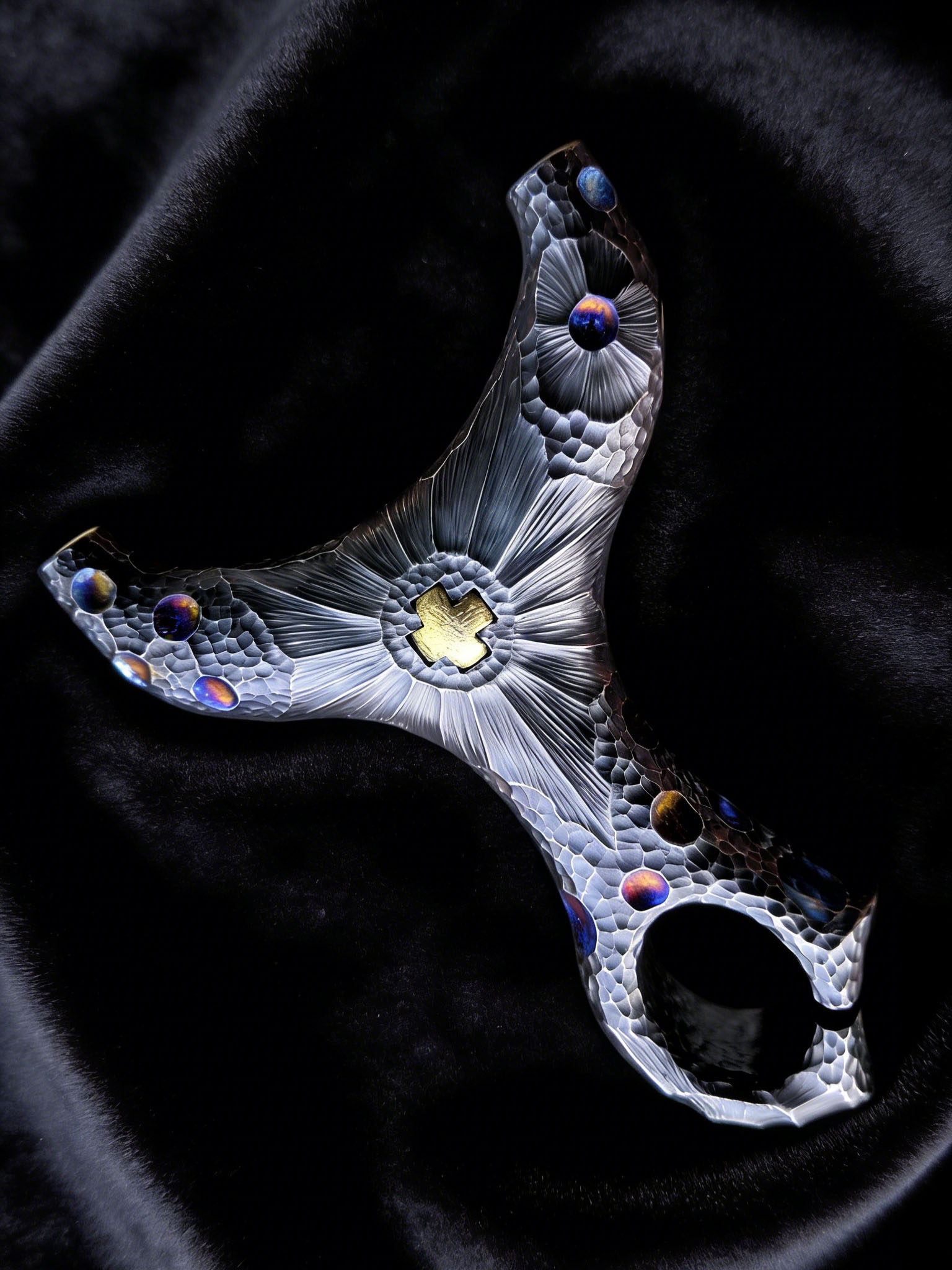
Why I Still Shoot the Same Slingshot I Sell
When people discover ForgeCheng, one question appears again and again:
“Do you actually use the slingshots you sell?”
The answer is simple.
Yes — and that is exactly where everything begins.
I never wanted to create products separated from real shooting experience. Every frame I make starts as a tool for my own practice. Long before it becomes a product page, it has already gone through hundreds, sometimes thousands, of shots in my hands.
Because shooting reveals things that drawings and CAD models never can.
You begin to notice how small differences change fatigue over time.
How balance affects recovery speed between shots.
How the frame settles in your grip when your focus is on the target instead of the tool.
A slingshot can look perfect on screen yet feel completely wrong after thirty minutes of real shooting.
That is why I continue to shoot the same models I sell.
Not as testing — but as daily use.
Design Comes From Use, Not Assumptions
Many products are designed first for appearance or specifications. Weight numbers, material names, or visual impact often come before real handling experience.
My process moves in the opposite direction.
A design stays unfinished until it disappears in use.
When shooting feels natural enough that I stop thinking about the frame itself — only then is the geometry correct.
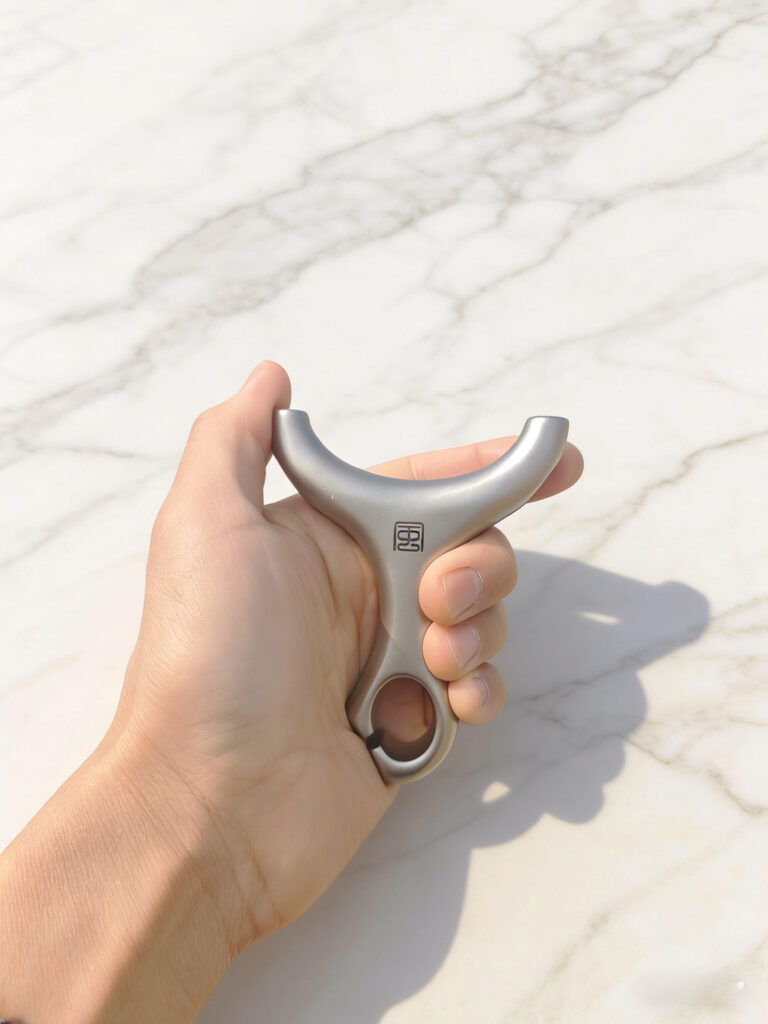
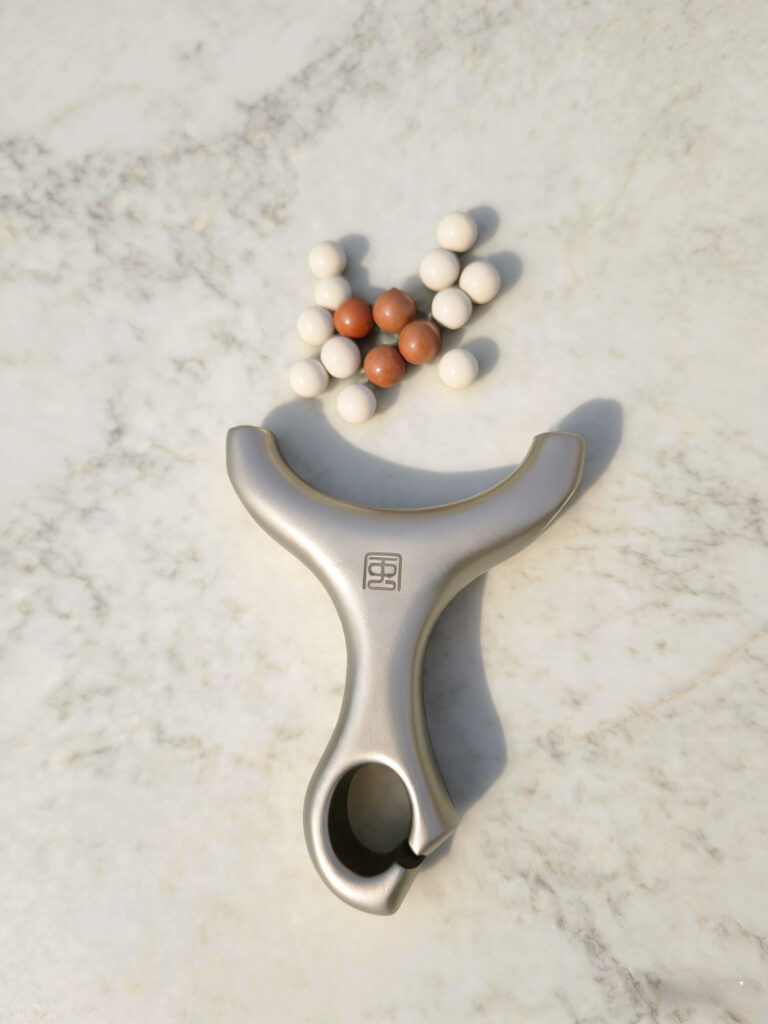
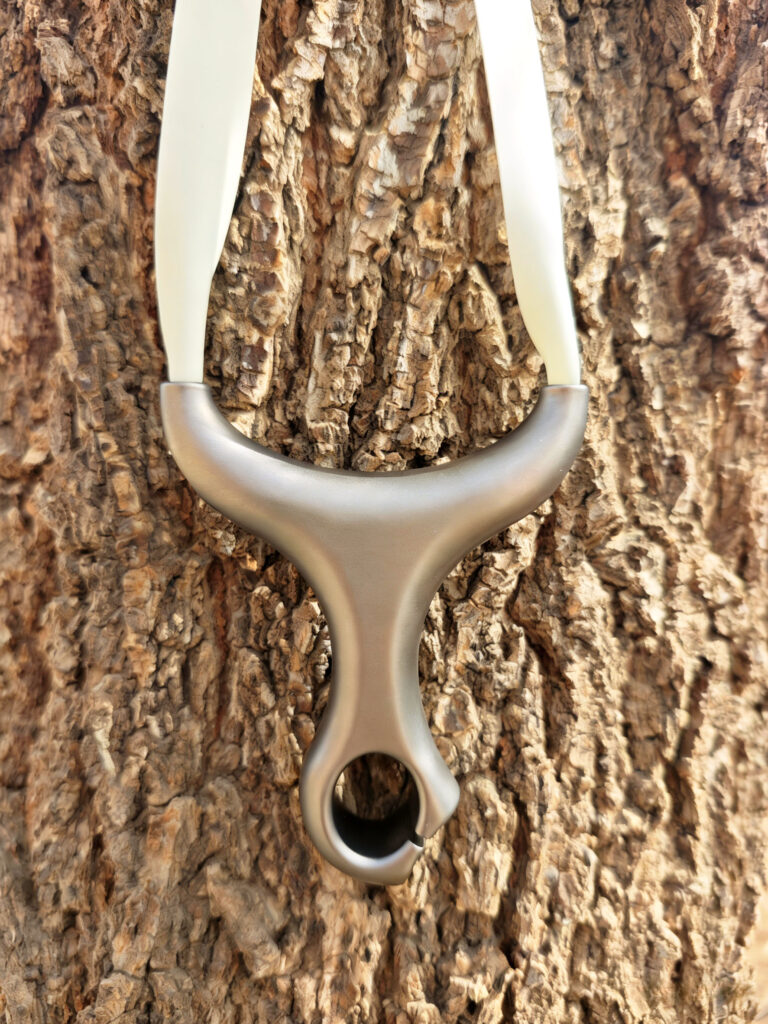
The AXIS platform evolved this way. Small adjustments were made slowly across real sessions: angle refinements, grip transitions, edge comfort, and alignment clarity.
None of these changes look dramatic individually.
But together, they determine whether a shooter wants to keep practicing — or put the slingshot down early.
Selling What I Personally Trust
There is a quiet confidence that comes from using the same tool you offer others.
If something feels wrong, I notice immediately.
If durability is questionable, I experience it first.
If improvement is possible, it becomes the next revision.
This removes distance between maker and user.
I’m not guessing what shooters might like.
I’m sharing something already proven through my own routine.
Craftsmanship Is Responsibility
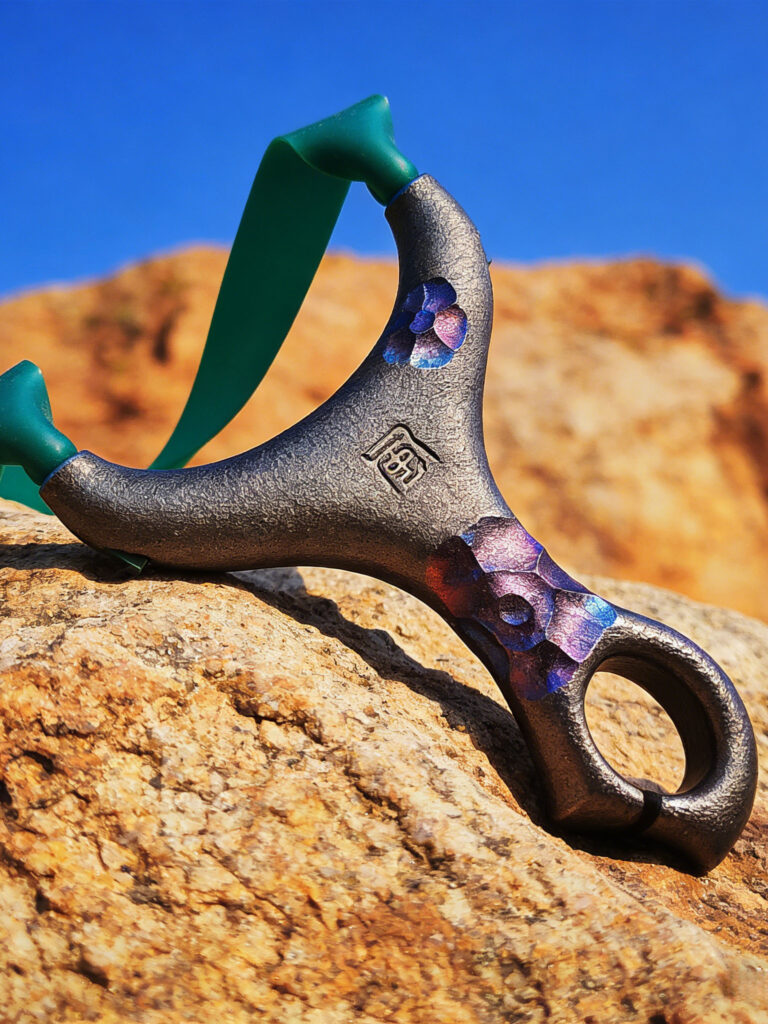
Hand finishing and material choice are not only about aesthetics. They are about responsibility.
When someone receives a ForgeCheng frame, they are holding something I would personally take to a shooting session without hesitation.
That standard guides every decision — from machining tolerances to surface finishing and inspection before shipping.
Because craftsmanship is not decoration.
It is accountability made visible.
One Tool, Shared Experience
Some shooters choose the grounded feel of 630 Stainless Steel.
Others prefer the lighter response of TC21 Titanium Alloy.
Different materials, same shooting philosophy.
The goal is not to create endless variations, but to refine one platform until it feels honest and dependable.
I still shoot the same slingshot I sell because the relationship between maker and tool should never end once a product is released.
In many ways, that is when the real work begins.